How Trees and Vegetation Increase Bushfire Risk and What You Can Do to Reduce It Safely
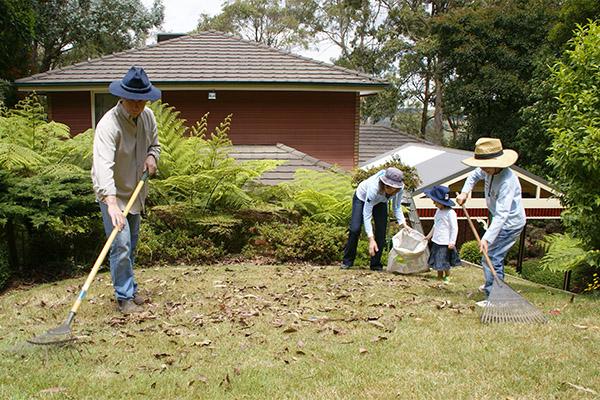
Trees and vegetation are a natural and valuable part of many properties across Gippsland. However, when not managed correctly, they can significantly increase bushfire risk.
Understanding how fire interacts with vegetation allows homeowners to take practical steps that reduce danger without unnecessary clearing. This guide explains how trees contribute to bushfire behaviour and what you can do to manage risk safely and responsibly.
How Bushfires Spread Through Vegetation
Bushfires spread in several ways, and vegetation plays a key role in each.
Fire can spread through:
- Surface fuels such as grass, leaf litter, and mulch
- Ladder fuels that allow fire to climb from ground level into tree canopies
- Ember attack from burning bark, leaves, and debris
Trees that are too close together or too close to buildings can allow fire to move quickly toward structures.
What Are Ladder Fuels?
Ladder fuels are layers of vegetation that allow fire to climb vertically. This includes:
- Shrubs beneath trees
- Low branches touching the ground
- Dense undergrowth
Once fire reaches the canopy, it becomes harder to control and produces more embers that can ignite buildings.
Managing ladder fuels is one of the most effective ways to reduce bushfire risk.
Why Overgrown Trees Increase Risk
Overgrown or unmanaged trees can:
- Trap heat close to buildings
- Drop burning debris onto roofs
- Allow flames to reach eaves and gutters
- Increase ember production during high winds
Dead branches, peeling bark, and dense canopies all contribute to higher risk.
Pruning vs Removal for Bushfire Safety
Not all trees need to be removed to reduce bushfire risk. In many cases, strategic pruning is enough.
Pruning can:
- Increase clearance from buildings
- Remove dead or low branches
- Improve airflow between trees
Tree removal may be recommended when:
- A tree is too close to structures
- The tree is dead or unstable
- Pruning cannot adequately reduce risk
A professional assessment ensures the correct approach is taken.
Managing Vegetation Around Buildings
Bushfire risk is highest closest to buildings. Key areas to manage include:
- Rooflines and gutters
- Around sheds, decks, and fences
- Driveways and access routes
Reducing fuel in these zones slows fire spread and improves firefighter access if needed.
The Role of Mulch and Ground Cover
Mulch can be beneficial for soil health but may increase fire risk if applied too thickly or too close to structures.
Using appropriate mulch types and maintaining safe distances from buildings is important during fire season.
Why DIY Clearing Can Create More Risk
DIY vegetation clearing often focuses on what is easiest to cut rather than what actually reduces risk. This can:
- Leave dangerous ladder fuels untouched
- Create unstable trees through poor pruning
- Increase regrowth that is more flammable
Professional tree services take a strategic approach based on fire behaviour, not appearance.
Reducing Risk Without Overclearing
Bushfire safety does not mean removing all trees. A balanced approach protects:
- Property safety
- Environmental values
- Long term tree health
The goal is risk reduction, not unnecessary loss of vegetation.
Want to Reduce Bushfire Risk the Right Way?
If you are concerned about trees or vegetation on your property, professional advice can help you reduce bushfire risk safely and effectively.
Drouin Tree Services provides experienced assessments, pruning, and removal services to help homeowners prepare responsibly for bushfire season across Gippsland.
Contact us today to book an on-site assessment and take practical steps toward a safer property.
Read us in socials:




.svg)
%20(1).webp)


.avif)


